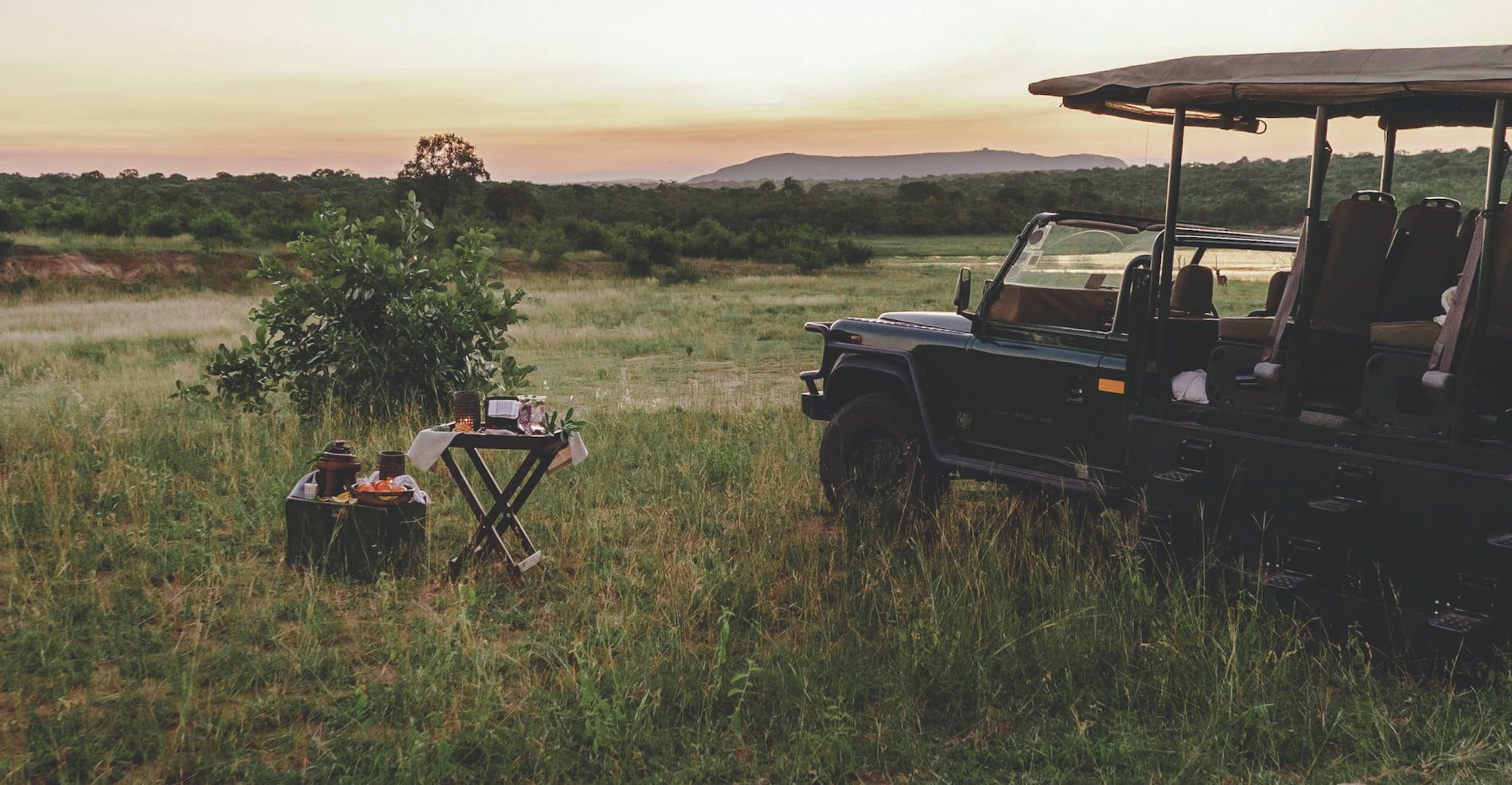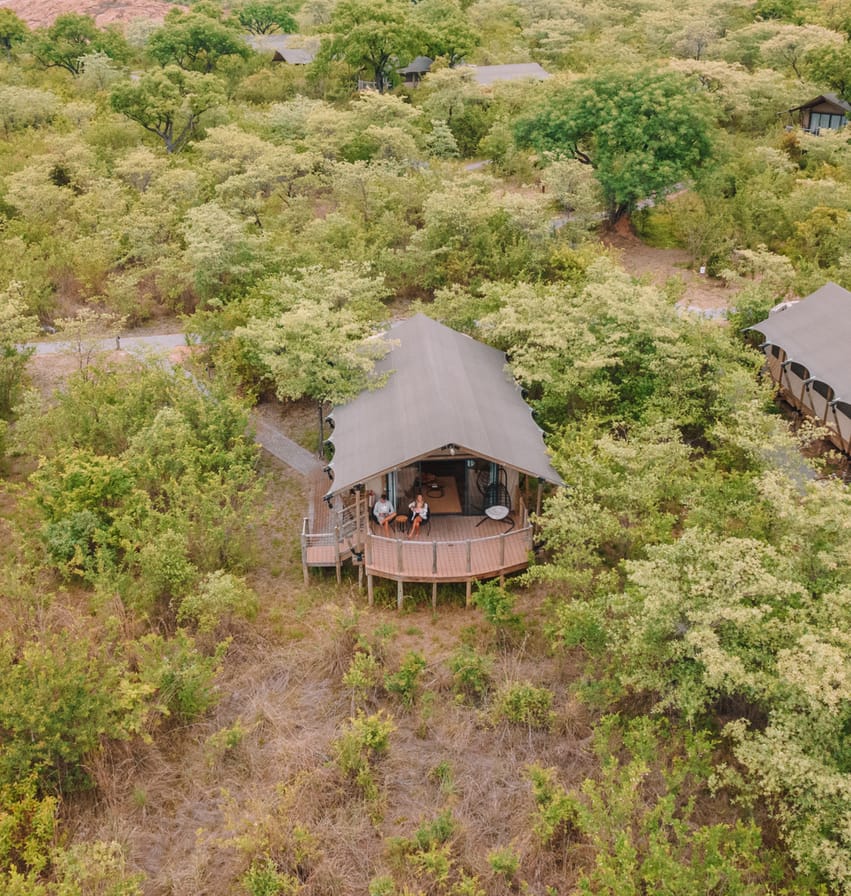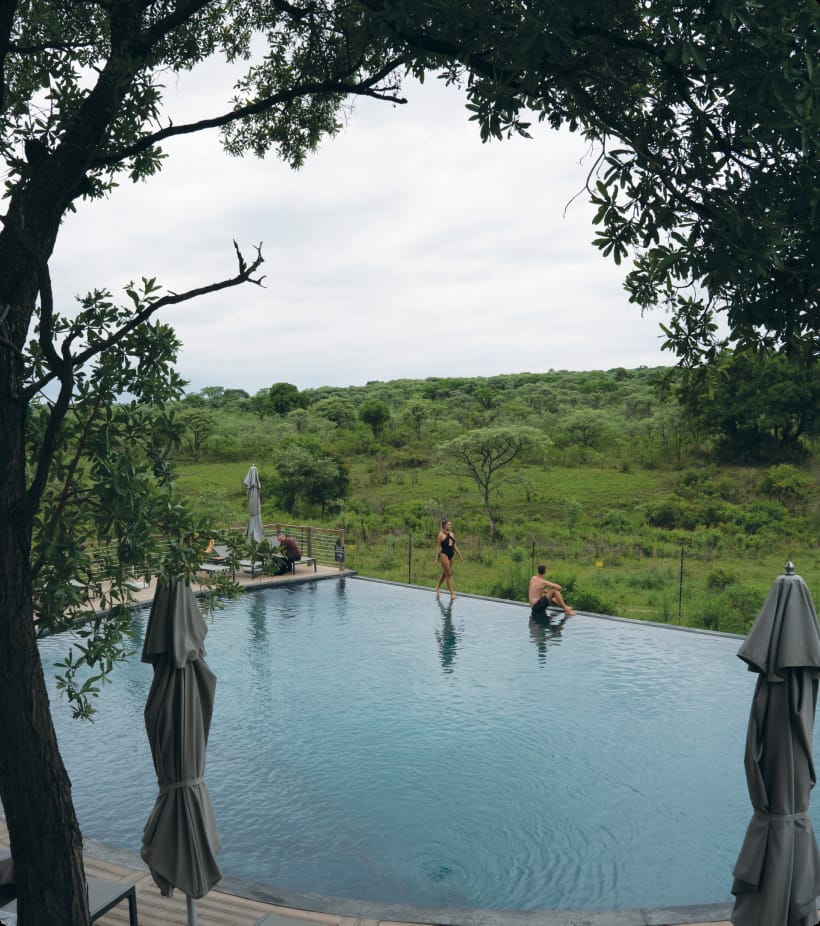
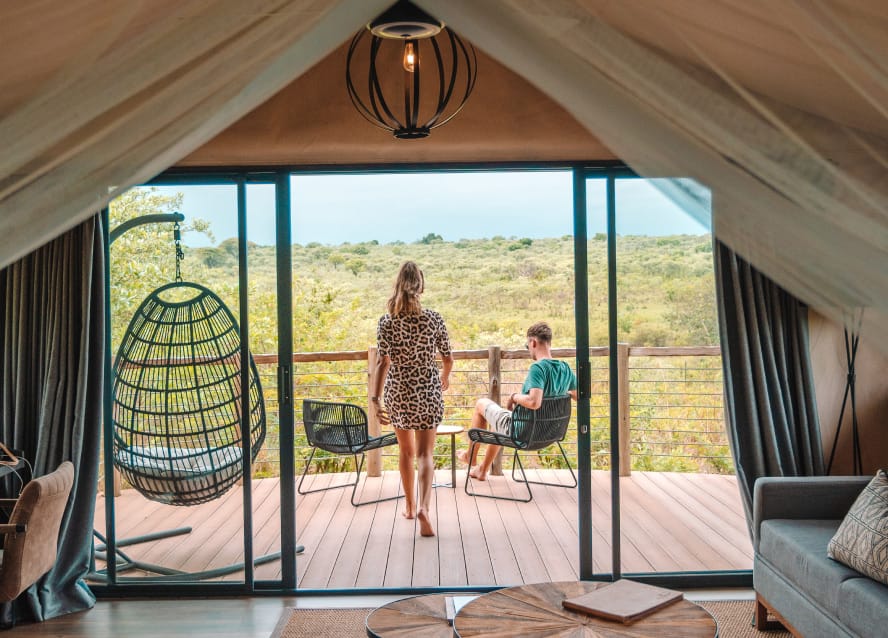
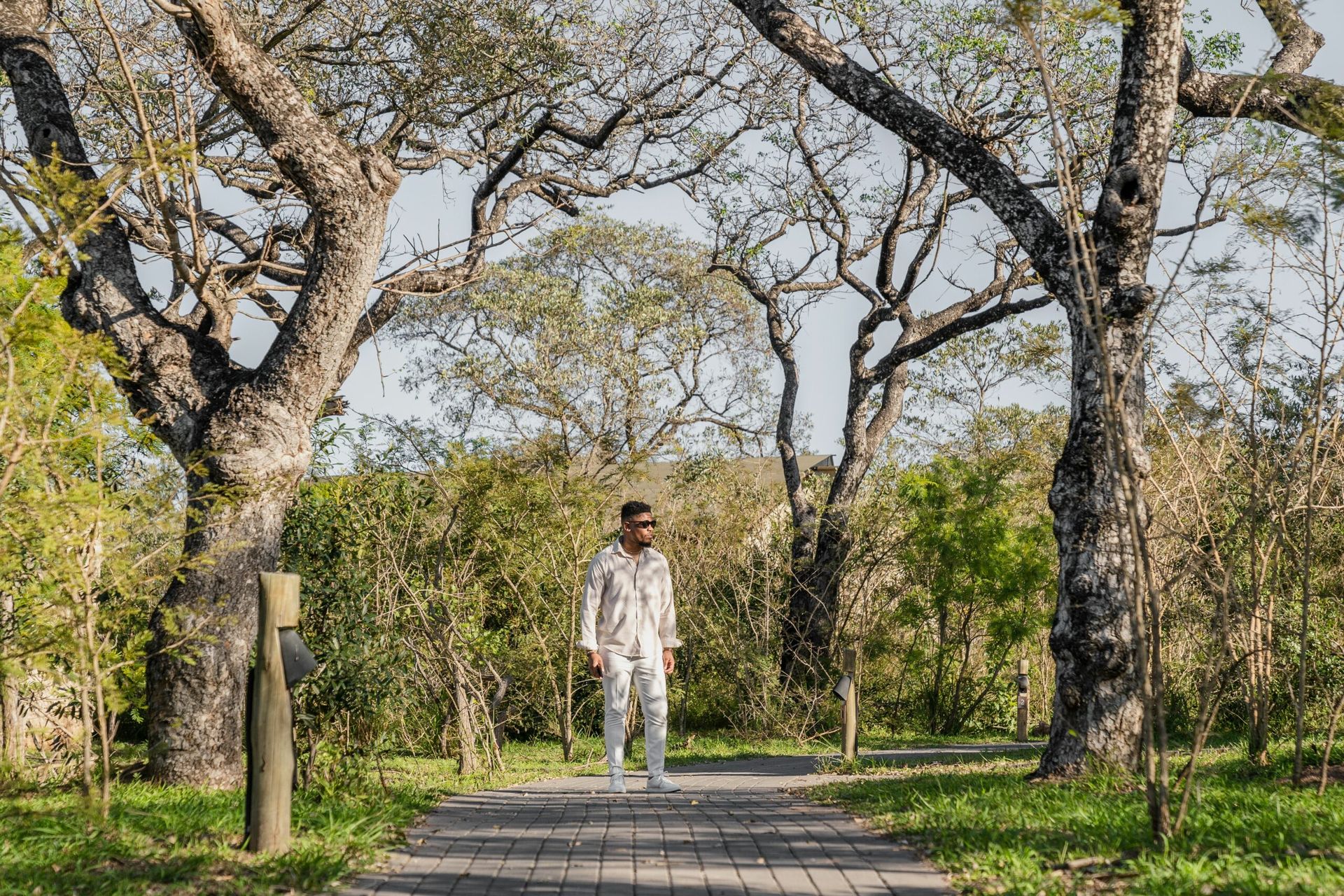
The African bush is ever changing. One season brings lush green landscapes and newborn wildlife, another reveals golden grasslands and elephants gathering around waterholes. And in between, you’ll find dramatic summer skies, warm autumn afternoons and crisp winter mornings. It is worth remembering that the Kruger National Park is not staged, and animals don’t appear on schedule. But rest assured you will see wildlife any season you travel.
So, when is the best time to visit Kruger National Park?
It depends on what you’d like your safari to look like. At Mdluli Safari Lodge, we divide the year into five travel seasons, each offering a different experience. For international travellers, understanding these seasons is a great starting point when planning a South African safari. For locals, returning in a different season unlocks a completely new side of the Kruger.
Early season | 11 January – 31 March
South African summer | Warm days and green vegetation
Following the festive holiday period, summer is still in full swing. The bush is at its fullest after the summer rains, with lush green vegetation, dramatic afternoon thunderstorms and warm, humid days.
Expect daytime temperatures of approximately 28–32°C (82–90°F). Mornings are generally warm, while afternoons can bring heavy but often short-lived showers.
This is a wonderful time to experience Kruger’s younger wildlife. January and February offer opportunities to see newborn impala, zebra and wildebeest alongside their mothers. The green surroundings also create beautiful photographic opportunities, particularly after summer rainfall.
With fewer travellers following the festive rush, Early Season can offer a more personal safari experience and opportunities for more attractive accommodation rates.
Why February is especially interesting: It’s one of the best times to combine your Kruger safari with Cape Town. While the Kruger is enjoying its green summer, Cape Town is experiencing warm, sunny and mostly dry weather. February is also grape harvest season in the Cape Winelands, making it an excellent time to explore vineyards, enjoy wine tastings and experience the region’s food culture. Instead of choosing between a wildlife adventure and a coastal holiday, you can enjoy both in one South African summer trip.
Value season | 1 April – 30 June
South African autumn transitioning into winter | Mild days and cooler evenings
As autumn arrives, the summer rains begin to ease and the landscape gradually changes from vibrant green to golden tones. The air becomes drier, humidity decreases and temperatures become more comfortable.
Expect daytime temperatures of approximately 24–28°C (75–82°F), with cooler mornings and evenings around 12–16°C (54–61°F).
As vegetation begins to thin, wildlife becomes increasingly visible. April and May offer a particularly interesting transition, while June marks the beginning of the dry winter conditions.
Value Season is a perfect choice for travellers who prefer comfortable daytime temperatures, fewer peak-holiday crowds and the opportunity to enjoy a safari before the busiest winter game-viewing period.
Prime safari | 1 July – 31 August
South African winter | Dry conditions and exceptional wildlife viewing
If your dream safari involves watching elephants gather around waterholes or spotting a lion resting in the open, this is the season to consider.
With very little rainfall, sparse vegetation and limited natural water sources, animals become easier to locate. Wildlife often gathers around rivers and remaining waterholes, creating excellent opportunities for Big Five sightings and wildlife photography.
Daytime temperatures generally reach 20–24°C (68–75°F), but early mornings can drop to 6–10°C (43–50°F). Expect crisp starts, chilly evenings and beautiful sunny afternoons.
Prime Safari is particularly popular with international wildlife enthusiasts, so booking your Mdluli Safari Lodge stay in advance is recommended.
High season | 1 September – 14 December
South African spring into early summer | Warmer days and a changing bushveld
Spring brings a noticeable change to the Kruger landscape. Temperatures rise, the days become warmer and the bush begins preparing for the summer rains.
Expect daytime temperatures of approximately 28–34°C (82–93°F). September and October are generally hot and dry, while November and early December become increasingly humid as the first summer thunderstorms arrive.
This is a fascinating transitional period. The dry winter landscape gradually gives way to fresh growth, changing colours and the first signs of summer. September to November is also particularly rewarding for birdwatchers as migratory species return to the region.
High Season is ideal for travellers who enjoy warmer weather and want to experience the bushveld changing from its dry winter appearance into a greener summer landscape.
Festive period | 15 December – 10 January
South African summer | Hot days, dramatic skies and lush bushveld
Summer has arrived in full force. The bush is thick and green, afternoon thunderstorms are common and the landscape feels completely different from the dry winter months.
Daytime temperatures can reach 30–35°C (86–95°F), with warm evenings and later sunsets. Expect humidity, occasional heavy rainfall and plenty of sunshine.
Although thicker vegetation can make some wildlife more challenging to spot, this is a beautiful time for birdwatching, with summer visitors adding to the activity in the bush. The dramatic skies and vibrant surroundings also make for spectacular safari photography.
The Festive period is a popular time for South African family holidays and international travel, so we recommend booking your Mdluli Safari Lodge stay well in advance.
Which Mdluli Safari Lodge season is right for you?
Every season offers something different. It simply depends on the kind of African safari you’re hoping to experience.
• Early Season: Newborn wildlife, lush landscapes and opportunities for seasonal value.
• Value Season: Mild daytime temperatures, autumn colours and improving game
visibility.
• Prime Safari: Dry conditions and excellent Big Five game viewing.
• High Season: Warmer spring weather and returning migratory birdlife.
• Festive Period: Lush summer scenery, dramatic thunderstorms and family holidays.
Whatever time of year you choose, siphindza sihlangane futsi, that’s siSwati for we look forward to seeing you soon.
Feel good & leave something good behind.